Share with your friends!
I started making this chicken artichoke skillet after a week where I’d cooked way too many fussy, multi-pan dinners. I wanted something that felt like real food—protein, veggies, and big flavor—but still counted as a one-pan, minimal-cleanup situation. I’d had a similar dish at a small Mediterranean-style restaurant and realized the whole idea translated perfectly to a home skillet.
What I liked most about that restaurant version was how simple the components were: chicken, artichoke hearts, olives, garlic, lemon, and herbs. Nothing complicated, but the flavor was bold and bright. When I tried recreating it at home, I adjusted the method to keep it gluten-free and weeknight-friendly, and to make sure the chicken stayed juicy instead of drying out in the pan.
Over time, this chicken artichoke skillet became my “I need something reliable but not boring” dinner. It’s great when you want a balanced meal that doesn’t require turning on the oven or juggling sides. You sear the chicken, build a quick sauce right in the same pan, then let everything simmer together until the flavors meld and the chicken is cooked through. It’s forgiving, which is helpful if you’re still building confidence cooking chicken on the stovetop.
This recipe is also practical if you’re trying to eat a bit lighter without sacrificing taste. Bone broth, lemon, and oregano give it a clean, savory base, while the artichokes and olives bring tang and texture. It works on a busy weeknight, but it’s also nice enough to serve to guests with some simple sides. If you’re looking for a one-pan chicken recipe that feels a bit different from the usual creamy or tomato sauces, this chicken artichoke skillet is a solid option to have in your rotation.
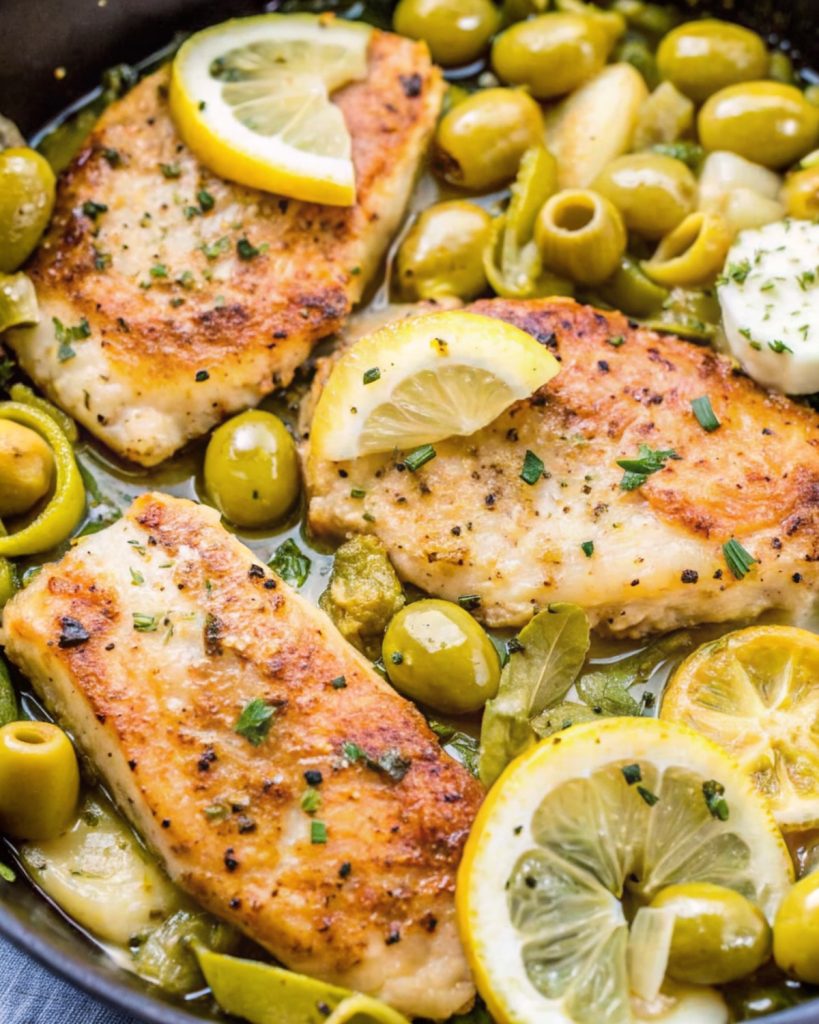
A Fresh Take on a Classic: Chicken Artichoke Skillet
Click here to get printable version
Simple Comfort Ingredients
- Chicken:
- 1 1/2 lbs boneless skinless chicken breast
- Sea salt and freshly ground black pepper, to taste
- 1/4 cup gluten-free flour or arrowroot powder
- 2 Tbsps grass-fed butter or ghee
- Sauce:
- 3 fresh garlic cloves, minced
- 1 cup chicken bone broth
- 1 Tbsp gluten-free flour or arrowroot powder
- 2 Tbsps fresh lemon juice (or juice of 1 large lemon)
- 1 jar (14 oz) water-packed quartered artichoke hearts, drained
- 1/2 cup pitted green olives, sliced diagonally
- 2 Tbsps minced fresh oregano or 2 tsp dried oregano
- Fresh lemon slices, to garnish
Simplicity in Action
- If your chicken breasts are very thick, pound them between two sheets of parchment or plastic until they’re an even thickness (about 1/2–3/4 inch). This helps the chicken cook evenly and stay tender.
- Place the 1/4 cup flour or arrowroot in a shallow dish. Pat the chicken dry, then season both sides generously with sea salt and black pepper.
- Lightly dredge each chicken breast in the flour, coating both sides, then gently shake off any extra. The coating should be thin, not clumpy.
- Heat the butter or ghee in a large skillet over medium heat. When it’s melted and starting to foam, add the chicken in a single layer without crowding.
- Sear the chicken for about 3–4 minutes per side, until both sides are golden and the surface feels firm when pressed. The chicken doesn’t need to be fully cooked yet. Transfer it to a plate and set aside.
- Add the minced garlic to the same skillet. Sauté for about 30–60 seconds, just until fragrant. Avoid browning the garlic, or it can turn bitter.
- In a small bowl, whisk together the bone broth and 1 Tbsp flour or arrowroot until completely smooth. There should be no dry lumps left.
- Pour the broth mixture and lemon juice into the hot skillet. Stir and scrape the bottom of the pan with a wooden spoon to release any browned bits. Let the sauce bubble gently for 1–2 minutes to start thickening.
- Return the seared chicken (and any juices from the plate) to the skillet. Add the drained artichoke hearts, sliced green olives, and oregano, nestling them around the chicken in the sauce.
- Partially cover the pan with a lid, reduce the heat to low, and let everything simmer for about 8–12 minutes, depending on thickness. The chicken is done when it’s no longer pink inside and reaches 165°F at the thickest part.
- Taste the sauce and adjust with extra salt, pepper, or lemon if needed. Garnish with fresh lemon slices and serve hot, spooning the artichokes, olives, and sauce over the chicken.
Crispy Chicken Meets Tangy Skillet Sauce
This chicken artichoke skillet works so well because it brings together two textures in one pan: lightly crisped chicken on the outside and a bright, tangy sauce underneath. The quick flour or arrowroot coating helps the chicken develop a golden surface that doesn’t disappear once you add the liquid. At the same time, that coating gently thickens the broth and lemon into a light gravy, so you don’t need cream to feel like you’re eating something satisfying. The artichokes and olives add acidity and saltiness, which helps balance the richness from the butter or ghee and keeps each bite from feeling heavy.
Is chicken artichoke healthy to eat?
Chicken with artichokes can be a balanced, nutrient-conscious meal when prepared like this skillet version. You’re getting lean protein from the chicken and fiber plus antioxidants from the artichoke hearts. Using chicken bone broth instead of a heavy cream base keeps the sauce lighter while still providing body and flavor. The olives and olive brine bring healthy fats and natural saltiness, which lets you rely less on added salt. Because everything is cooked in one pan with minimal added starch, this dish fits well into many eating styles, including gluten-free when you choose a gluten-free flour or arrowroot.
What goes well with chicken and artichokes?
This chicken artichoke skillet pairs well with simple sides that soak up the lemony sauce without competing with it. Try serving it over brown rice, quinoa, or a small portion of whole-grain pasta if you want more carbohydrates. For a lower-carb option, pair it with cauliflower rice, sautéed greens, or roasted asparagus. A crisp green salad with a light vinaigrette is a good contrast to the warm, savory skillet. If you like bread, a slice of crusty sourdough or gluten-free baguette works well to mop up extra sauce without adding more cooking steps.
What are artichoke hearts?
Artichoke hearts are the tender inner portion of the artichoke vegetable, found at the base once the tough outer leaves and fuzzy choke are removed. In this recipe, we use water-packed, quartered artichoke hearts from a jar, which are already trimmed and ready to cook. They have a mild, slightly nutty and tangy flavor that absorbs seasoning well. Using jarred artichoke hearts saves a lot of prep time compared to fresh artichokes but still gives you fiber, vitamins, and texture. Just make sure to drain them well so they don’t water down your sauce.
Your Questions Answered
Can I use chicken thighs instead of chicken breasts in this skillet?
Yes, boneless skinless chicken thighs work very well here and are often more forgiving than breasts. They stay moist even if they cook a few minutes longer. If you use thighs, try to choose ones that are similar in size for even cooking. Sear them the same way, but expect them to need a bit more time during the covered simmer. Check that the thickest piece reaches 165°F for food safety and best texture.
How can I prevent the arrowroot or flour from clumping in the sauce?
Clumps usually form when the starch hits hot liquid before it’s fully dissolved. To avoid this, always whisk the arrowroot or flour completely smooth in cold or room-temperature broth before it goes into the pan. Once you add that mixture to the hot skillet, pour it in slowly while stirring constantly. Keep the heat at a gentle simmer rather than a rapid boil, especially with arrowroot, which can turn gummy if overheated.
What should I do if my sauce ends up too thin?
If your sauce is thinner than you’d like, you have a couple of options. First, let it simmer uncovered for a few more minutes so some liquid can evaporate and naturally thicken. Stir occasionally so nothing sticks. If you still want it thicker, whisk 1 teaspoon of arrowroot or flour with a tablespoon of cool water, then slowly whisk that slurry into the simmering sauce. Give it a minute or two to thicken before adding more so you don’t overdo it.
Can I make this recipe ahead of time for meal prep?
This chicken artichoke skillet holds up well for meal prep. Cook it fully, then let it cool before storing it in an airtight container in the fridge for up to 3–4 days. The flavors usually deepen by the next day. When reheating, warm it gently over low heat on the stovetop with a splash of broth or water to loosen the sauce. Avoid high heat, which can make the chicken dry and the sauce separate slightly.
How do I avoid overcooking the chicken while the sauce simmers?
The key is to start with evenly thick pieces and not simmer too aggressively. Once the chicken is browned, it needs only enough time in the sauce to cook through, not to boil. Keep the heat on low with just a gentle bubble, and start checking doneness a bit earlier than you think—around 7–8 minutes. As soon as the thickest part reaches 165°F, remove the pan from the heat. The chicken will continue to rest in the warm sauce without drying out.
Can I make this dairy-free without losing flavor?
You can easily make this dairy-free by swapping the butter or ghee for a neutral oil or olive oil. The main flavor in this dish comes from the garlic, lemon, oregano, olives, and artichokes, so you won’t lose much character by changing the fat. If you want a bit more richness, add a small drizzle of extra-virgin olive oil at the end, off the heat. Taste and adjust the seasoning after making this swap, as you may want a pinch more salt or lemon to balance the flavors.
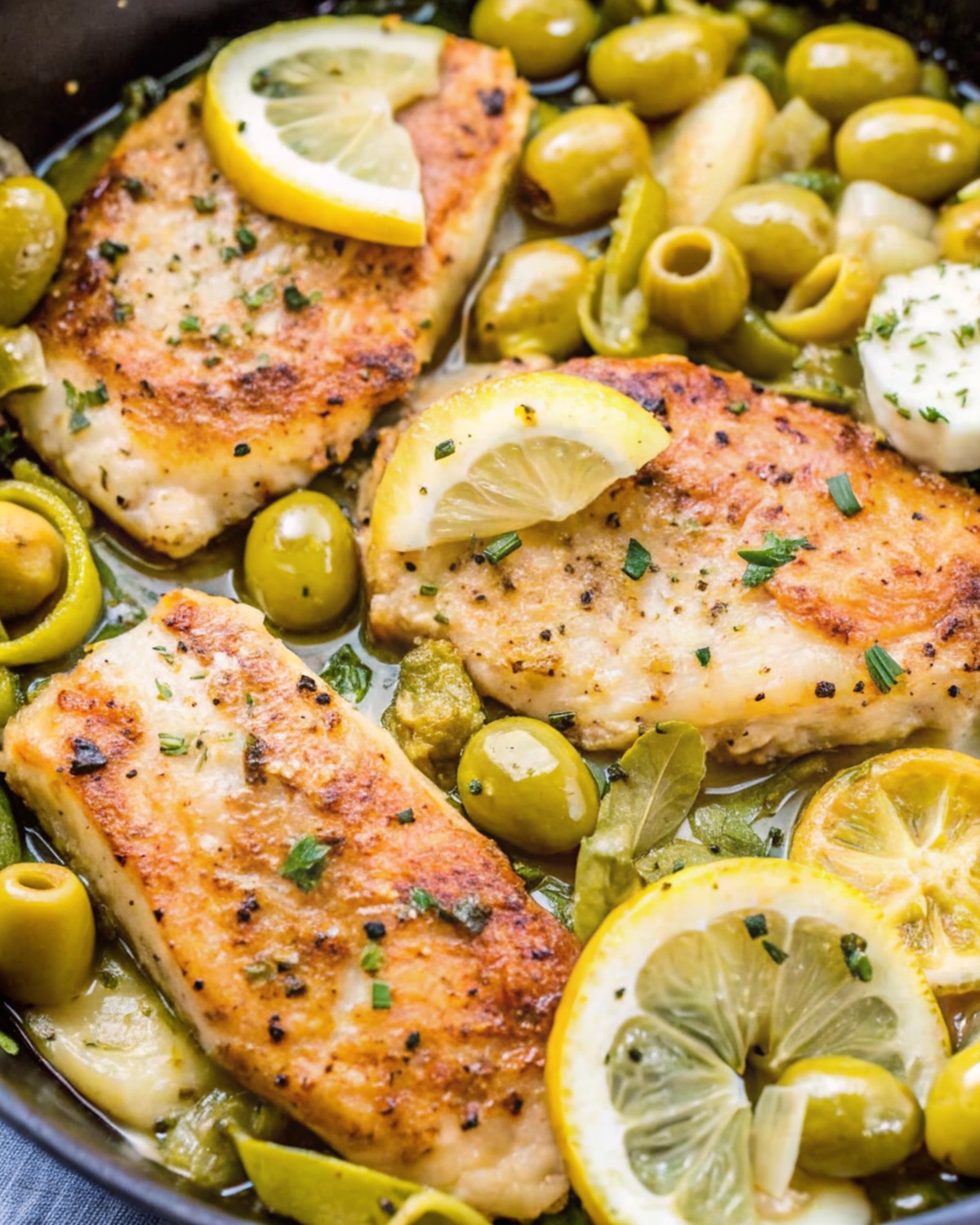
Chicken Artichoke Skillet
Equipment
- large skillet
Ingredients
Chicken:
- 1 1/2 lbs boneless skinless chicken breast
- sea salt and freshly ground black pepper to taste
- 1/4 cup gluten-free flour or arrowroot powder
- 2 Tbsp grass-fed butter or ghee
Sauce:
- 3 cloves fresh garlic minced
- 1 cup chicken bone broth
- 1 Tbsp gluten-free flour or arrowroot powder
- 2 Tbsp fresh lemon juice or juice of 1 large lemon
- 1 jar (14 oz) water-packed quartered artichoke hearts drained
- 1/2 cup pitted green olives sliced diagonally
- 2 Tbsp minced fresh oregano or 2 tsp dried oregano
- fresh lemon slices for garnish
Instructions
- If breasts are particularly thick, gently pound them to an even thickness so they cook uniformly.
Chicken:
- Pour the flour into a shallow dish. Season both sides of the chicken with salt and pepper.
- Lightly coat each breast in the flour, tapping off any excess.
- Heat the butter or ghee in a large skillet over medium heat and sear the chicken until nicely browned, about 3 to 4 minutes per side.
- Transfer the seared chicken to a plate and set aside while you prepare the sauce.
Sauce:
- Add the minced garlic to the same skillet and cook briefly, about 1 minute, until fragrant.
- In a small bowl, whisk the chicken broth together with the tablespoon of gluten-free flour or arrowroot until smooth and lump-free.
- Pour the broth mixture and lemon juice into the skillet, scraping the bottom to loosen browned bits; stir until the sauce begins to thicken slightly.
To Finish:
- Return the chicken to the skillet and add the drained artichoke hearts, sliced olives, and oregano.
- Partially cover the pan and simmer over low heat until the chicken is cooked through and no longer pink in the center, about 8 to 12 minutes.
- Top with lemon slices, serve hot, and enjoy.