Share with your friends!
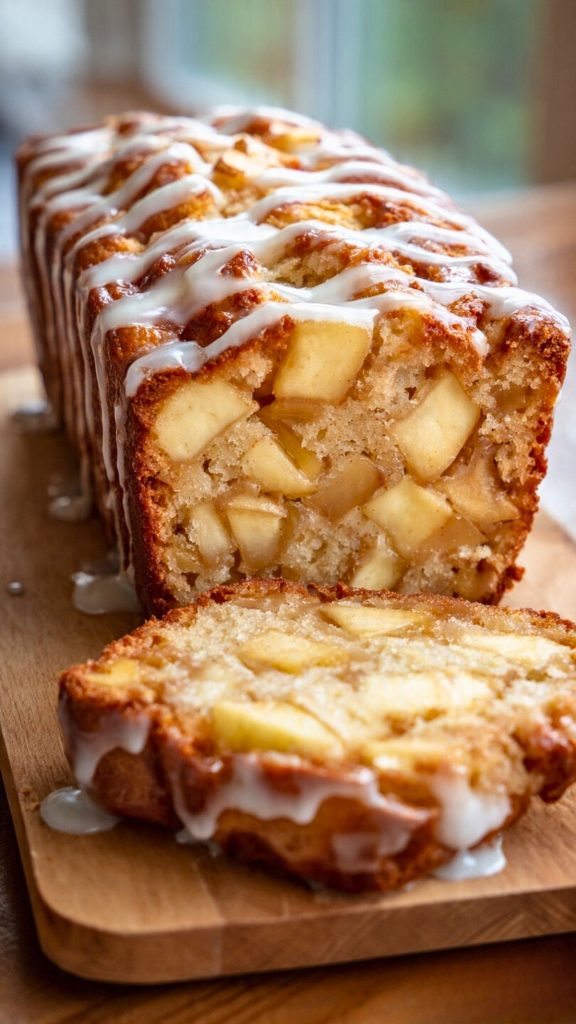
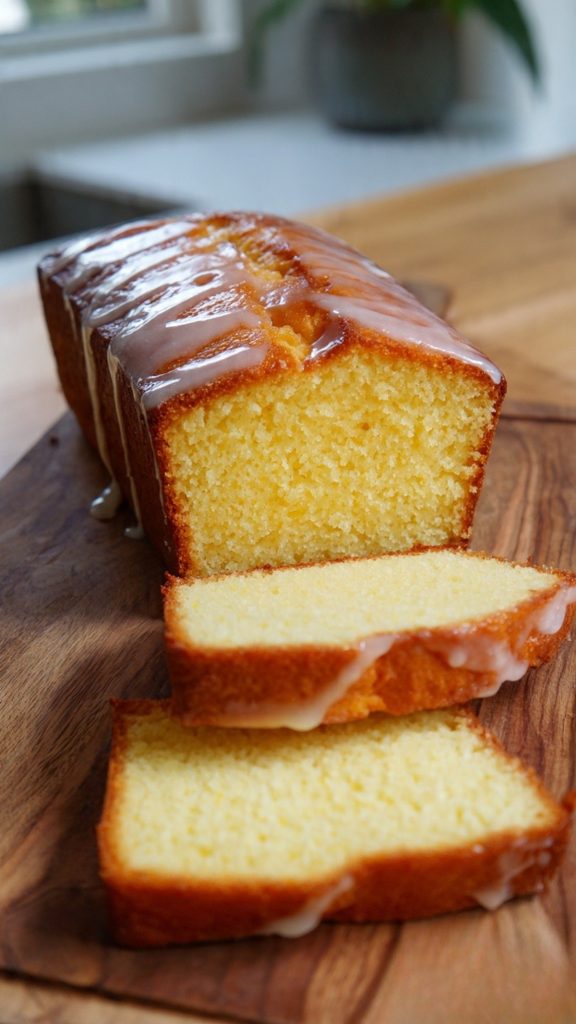
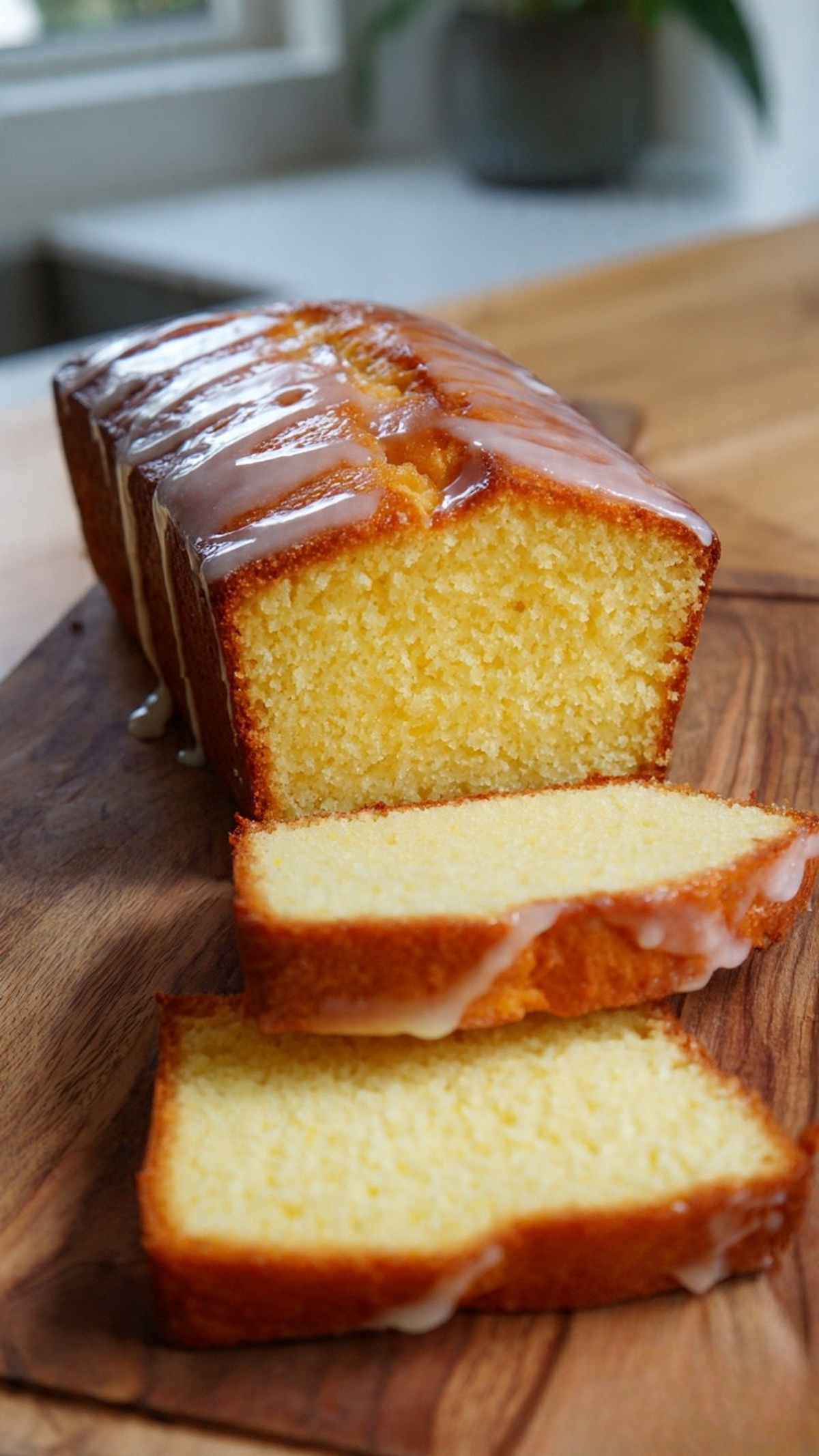
Vanilla sponge cake is one of those recipes I rely on when I need something simple, familiar, and versatile. It doesn’t need fancy ingredients — just butter, sugar, eggs, flour, and a little vanilla — but it still feels special enough for birthdays, potlucks, or an easy weekend treat. This version bakes up in a loaf pan, which keeps it practical and budget-friendly: no layering, no frosting required if you don’t feel like it.
I like this vanilla sponge cake because it works as a base for almost anything. You can slice it and serve it plain with tea, dress it up with fresh fruit and yogurt, or use up bits of chocolate, nuts, or leftover jam by folding or layering them in. It’s a good way to turn pantry staples into something that feels homemade and thoughtful, without a long ingredient list or complicated steps.
If you’re trying to cut down on waste, this cake also holds up well for a few days, and slightly stale slices make great French toast, trifles, or quick snacks toasted with a smear of nut butter. Once you’ve made this vanilla sponge a couple of times, you’ll start seeing it as a blank canvas for whatever you’ve got in the kitchen.
A Fresh Take on a Classic: Vanilla Sponge Cake
Click here to get printable version
Gathering Your Ingredients
- 200 grams unsalted butter, at room temperature
- 200 grams caster sugar
- 8 grams vanilla sugar (or 2 teaspoons vanilla sugar)
- 4 medium eggs, at room temperature
- 200 grams self-rising flour
- Pinch of salt
Steps
- Preheat your oven to 175°C (350°F), conventional setting. Lightly grease a loaf pan and dust it with flour, tapping out the excess. This helps the cake release cleanly later.
- In a mixing bowl, beat the softened butter, caster sugar, and vanilla sugar together until the mixture is light and creamy. Keep mixing until it looks pale and fluffy; this step helps your sponge rise nicely.
- Add the eggs one at a time, beating well after each addition. If the mixture looks slightly curdled, keep whisking until it smooths out again. The batter should be glossy and well combined before you move on.
- Sift the self-rising flour and salt together, then add them to the bowl in 2–3 additions. Gently fold or mix on low speed just until the flour disappears. Stop mixing as soon as the batter is smooth; overmixing can make the cake dense.
- Pour the batter into your prepared loaf pan and smooth the top with a spatula so it bakes evenly. The batter should sit in an even layer, reaching into the corners.
- Bake for about 60 minutes. Start checking a little early if your oven runs hot. The top should be golden and slightly springy when lightly pressed in the center.
- To test doneness, insert a wooden skewer or cake tester into the middle of the loaf. If it comes out clean or with just a few dry crumbs, the cake is ready. If you see wet batter, bake for another 5–10 minutes and test again.
- Once baked, let the cake rest in the pan for about 10 minutes so it firms up. Then run a knife around the edges if needed, invert it onto a wire rack, and carefully lift off the pan. Let it cool completely before slicing to avoid crumbly pieces.
Pan Size and Lining Tips
This vanilla sponge cake works best in a standard loaf pan (about 9 x 5 inches or 23 x 13 cm). If your pan is slightly smaller, don’t fill it more than about two-thirds full; use any extra batter for a couple of cupcakes so it doesn’t overflow. For easy cleanup and clean edges, I like to both grease the pan and line it with a strip of baking paper. Cut a long piece of parchment that fits the length of the pan and hangs over the short sides like handles. Grease the pan first, press the paper in, then lightly grease the paper too. This gives you a double layer of insurance, especially if your pan is older or tends to stick. If you switch to a different shape, like a small round tin, start checking for doneness 10–15 minutes earlier, since thinner batter will bake faster.
Easy Flavor Swaps
This vanilla sponge is a great way to use what you already have. For a simple chocolate version, replace about 25–30 grams of the self-rising flour with unsweetened cocoa powder and sift it in with the flour. To add crunch, fold in a small handful (40–60 grams) of chopped nuts, like walnuts, almonds, or hazelnuts, at the end. If you’ve got citrus on hand, grate in some lemon or orange zest with the sugar for a brighter flavor. Swirl leftover jam or fruit compote into the top of the batter before baking for a quick marbled effect. Keep add-ins light so the batter can still rise — too much chocolate, fruit, or nuts will weigh the cake down.
Recipe FAQ: Common Questions
Why does my vanilla sponge cake sometimes sink in the middle?
A sunken center usually comes from one of three things: underbaking, too much leavening, or opening the oven door too often. Even with self-rising flour, the cake needs the full baking time until the center is set. If you pull it out when the middle is still very soft, it will collapse as it cools. Avoid peeking in the oven until at least 45–50 minutes have passed. Also, make sure you’re measuring ingredients accurately by weight; too much flour or sugar can affect structure. Finally, check that your oven temperature is correct with an oven thermometer — many home ovens run hot or cold.
Can I use plain flour instead of self-rising flour?
Yes, you can swap self-rising flour with plain (all-purpose) flour plus baking powder and salt. For this recipe, use 200 grams of plain flour and add about 2 1/2 teaspoons of baking powder and an extra small pinch of salt. Sift the flour and baking powder together well so the leavening is evenly distributed and you don’t get uneven rising. Keep the rest of the recipe the same. This is handy if you don’t want to keep a separate bag of self-rising flour in your pantry or if you’ve run out unexpectedly.
How should I store leftover vanilla sponge cake, and can I freeze it?
Once completely cool, store the cake tightly wrapped in reusable wrap or in an airtight container at room temperature for 3–4 days. Keep it out of direct sunlight and away from heat so it doesn’t dry out. For longer storage, slice the cake and freeze individual pieces, separated by small pieces of baking paper. Wrap them well to avoid freezer burn. Frozen slices thaw quickly at room temperature and can be revived in a low oven or toaster for a few minutes. This way, you can defrost just what you need and reduce the risk of the cake going stale and ending up in the bin.
Vanilla Sponge Cake
Equipment
- mixing bowl
- Electric mixer or whisk
- Loaf pan
- Wire rack
Ingredients
- 200 grams unsalted butter
- 200 grams caster sugar
- 8 grams vanilla sugar
- 4 eggs medium
- 200 grams self-rising flour
- pinch salt
Instructions
- Preheat the oven to 175°C (350°F). Grease and lightly flour a loaf pan or line it with baking paper, then set it aside.
- Place the butter, caster sugar, and vanilla sugar into a bowl. Beat them together until the mixture becomes pale and creamy.
- Add the eggs one at a time, mixing after each addition until the batter is smooth and uniformly combined.
- Gradually sift or fold in the self-rising flour along with the pinch of salt. Stir just until the batter is even and free of lumps—avoid overmixing.
- Transfer the batter into the prepared loaf pan and level the top. Bake in the preheated oven for about 60 minutes, or until set.
- Near the end of baking, insert a wooden skewer or cake tester into the center; if it comes out clean, the cake is done.
- Allow the cake to cool in the pan for a few minutes, then invert it onto a wire rack and leave it to cool completely before slicing.