Share with your friends!
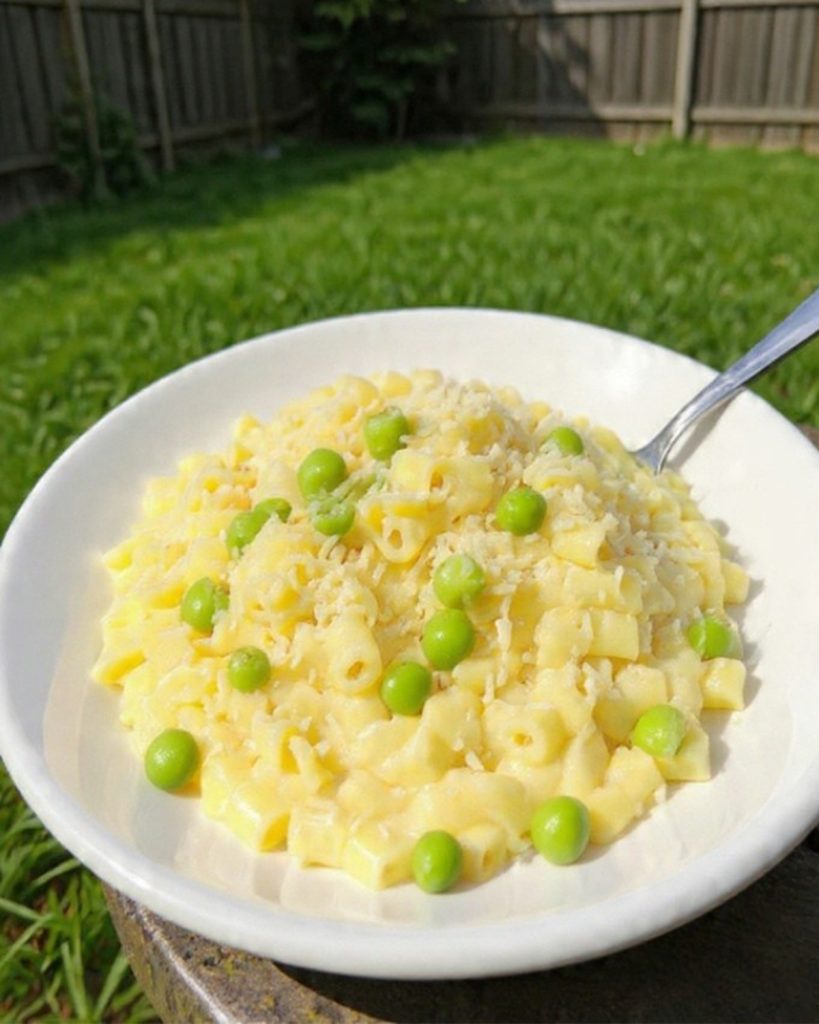
When I first started cooking Pasta e Piselli at home, I was surprised by how much flavor you can build from such basic ingredients. Onion, peas, pasta, good olive oil, and sharp Pecorino come together in one pot and the whole kitchen smells like you’ve been cooking much longer than you actually have. It’s the kind of dish that makes sense for busy days, but still feels like you really cooked.
I like this recipe especially in spring, when fresh peas start showing up at markets, but it works year-round with frozen peas too. The process is straightforward: soften the onions gently, let the peas and pasta simmer together, and finish with cheese and olive oil. As you stir, you can feel the starch from the pasta thickening the cooking liquid into a light, creamy sauce without any cream. You’re controlling the texture with water and time instead of extra ingredients.
It’s a practical dish if you’re trying to cook more seasonally and reduce waste. You can scale it down for two people, or stretch it with extra water for a more brothy bowl. Everything happens in one pot, which keeps cleanup simple and energy use low. If you enjoy recipes where you can taste each ingredient clearly and adjust as you go, Pasta e Piselli is worth adding to your regular rotation.
The Magic of Pasta E Piselli
Click here to get printable version
The Required Ingredients
- 1 pound (454 g) ditalini or other small pasta shape
- 1/2 cup (120 ml) extra virgin olive oil, plus more for serving
- 1 large onion, diced
- 1/2 teaspoon crushed hot red pepper flakes
- 4 cups (960 ml) water, plus more as needed to adjust consistency
- 1 teaspoon fine sea salt, plus more to taste
- 1 pound (454 g) frozen peas (or fresh shelled peas when in season)
- 1 cup (90 g) grated Pecorino Romano, plus extra for serving
- Freshly ground black pepper, to taste
Step-by-Step to a Comforting Classic
- Set a large, wide pot over just under medium heat. Add the olive oil and diced onion. Cook, stirring occasionally, until the onion is soft and translucent, about 5–7 minutes. The onion shouldn’t brown; lower the heat if it starts to color. Stir in the red pepper flakes and cook for about 30 seconds so they release their flavor into the oil.
- Pour in the 4 cups of water and add the 1 teaspoon of salt and the peas. Bring the pot up to a boil. Once boiling, use a wooden spoon to lightly mash some of the peas against the side of the pot. Crushing a portion of the peas helps thicken the broth and deepen the pea flavor.
- Add the pasta and reduce the heat to maintain a steady, moderate simmer. Cook, stirring frequently to prevent sticking, until the pasta is al dente according to package time, usually 8–12 minutes. Keep an eye on the liquid level; if the pot looks dry or the pasta isn’t moving freely, add hot water a little at a time.
- When the pasta is al dente and the mixture looks thick but still slightly brothy, remove the pot from the heat. Stir in the grated Pecorino Romano until it melts into the cooking liquid. Taste and adjust with more salt and black pepper as needed. If it feels too thick or sticky, loosen with a bit more hot water. The final texture should be creamy and spoonable, not soupy and not dry.
- Ladle the Pasta e Piselli into warm bowls. Finish each serving with a drizzle of extra virgin olive oil and a generous sprinkle of Pecorino Romano. Serve right away while the pasta is still slightly brothy, as it will continue to thicken as it sits.
Best Pasta Shapes
Pasta e Piselli works best with small shapes that cook evenly and hold a bit of the peas and broth in each bite. Ditalini is classic, but tubetti, small elbows, or broken spaghetti (about 2–3 cm pieces) also perform well. Avoid large shapes like rigatoni or farfalle; they don’t hydrate properly in the compact amount of liquid and can feel clumsy in the bowl. If you’re cooking for kids or want a more spoon-friendly meal, choose tiny shapes like stelline or anellini. Whatever you use, adjust the simmer time to match the package directions, checking a minute early so you don’t overcook.
Fresh vs Frozen Peas
Both fresh and frozen peas can make excellent Pasta e Piselli, but they behave a bit differently. Frozen peas are picked and frozen quickly, so they’re consistent, sweet, and available year-round. They go straight from freezer to pot and don’t need any extra prep. Fresh peas are ideal in late spring when they’re local and very sweet. Shell them just before cooking and add them as you would frozen peas, but start checking their tenderness a couple of minutes earlier so they stay bright and not mushy. If your fresh peas are starchy or late-season, you may need to mash a few more to get the same creamy effect.
Adjusting the Brothiness
The texture of Pasta e Piselli is flexible, and adjusting the “brothiness” is where you can really customize the dish. For a thicker, almost risotto-like consistency, let the pasta simmer with less added water and stir frequently so more starch releases into the liquid. For a looser, soupier bowl, simply add more hot water toward the end and stir well to reincorporate any starch stuck to the bottom. Always adjust the seasoning after thinning with water, since extra liquid will dilute the salt and cheese. The dish should sit between a soup and a saucy pasta, with enough liquid to coat the spoon.
Fresh vs Frozen Peas
Both fresh and frozen peas can make excellent Pasta e Piselli, but they behave a bit differently. Frozen peas are picked and frozen quickly, so they’re consistent, sweet, and available year-round. They go straight from freezer to pot and don’t need any extra prep. Fresh peas are ideal in late spring when they’re local and very sweet. Shell them just before cooking and add them as you would frozen peas, but start checking their tenderness a couple of minutes earlier so they stay bright and not mushy. If your fresh peas are starchy or late-season, you may need to mash a few more to get the same creamy effect.
Cheese Swaps and Add‑Ins
Pecorino Romano gives Pasta e Piselli a salty, tangy edge that balances the sweetness of the peas, but you can adjust based on what you have. Parmigiano Reggiano or Grana Padano offer a milder, nuttier result; you can even use a half-and-half blend if you’d like a softer flavor. Whichever cheese you choose, grate it very finely so it melts quickly and doesn’t clump. For extra richness, add a small knob of butter off the heat. To keep things seasonal, stir in a handful of chopped fresh herbs like mint, parsley, or basil at the end. Cooked greens, leftover roasted vegetables, or a spoonful of lemon zest can also work without overwhelming the base.
Storing and Reheating Leftovers
Pasta e Piselli thickens significantly as it cools because the pasta keeps absorbing liquid. Store leftovers in an airtight container in the fridge for up to 3 days. When you’re ready to reheat, transfer a portion to a small pot with a splash of water or broth. Warm gently over low to medium-low heat, stirring and adding more liquid as needed until the pasta loosens and turns creamy again. Taste and adjust with a bit of salt, pepper, and a fresh drizzle of olive oil. Avoid high heat in the microwave without added liquid, as it can make the pasta tough and dry.
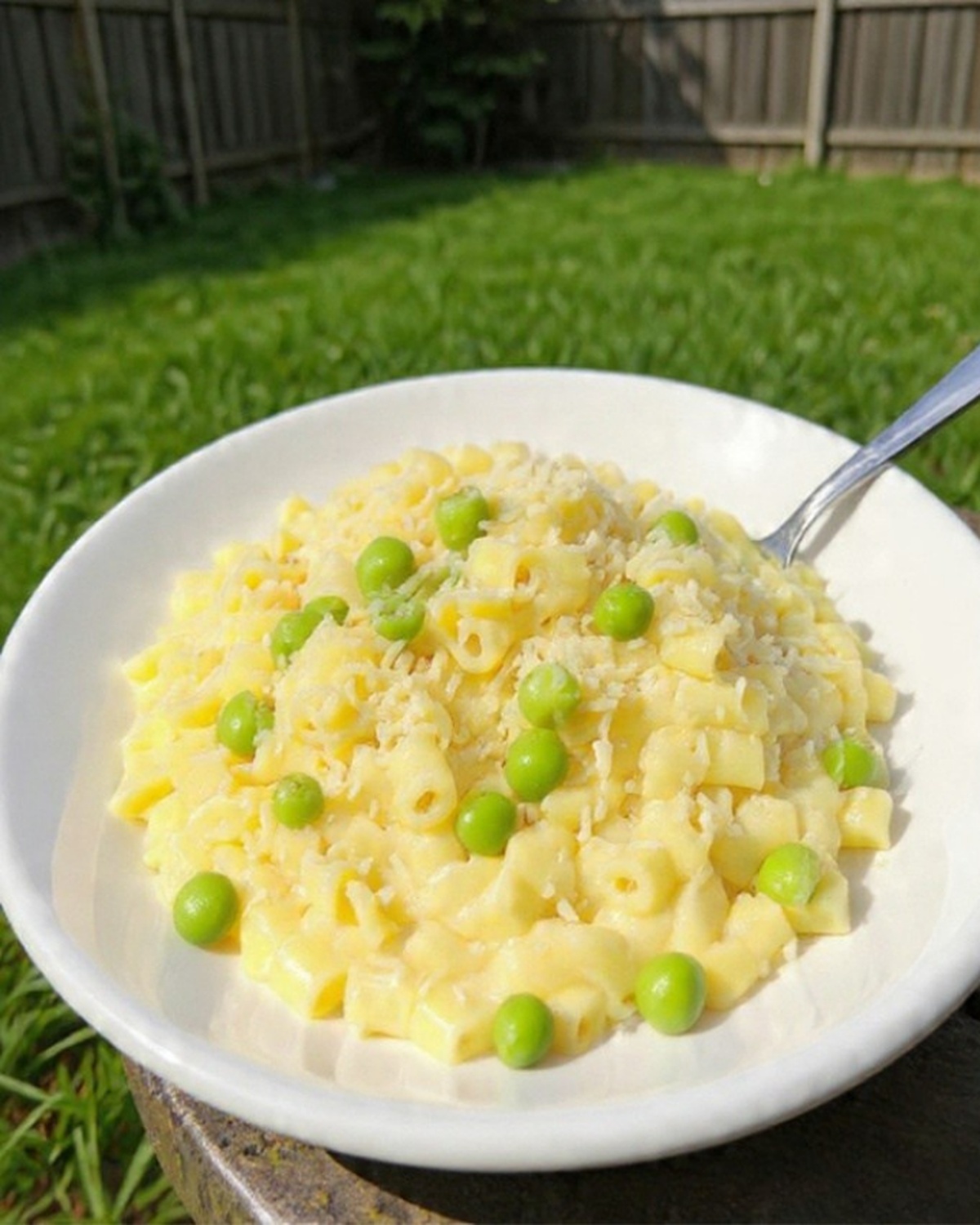
Pasta e Piselli
Equipment
- large pot or deep skillet
Ingredients
- 1 pound (454g) ditalini (or other small pasta)
- 1/2 cup (120ml) extra virgin olive oil
- 1 large onion diced
- 1/2 teaspoon crushed hot red pepper flakes
- 4 cups (960ml) water plus more to thin if needed
- 1 teaspoon fine sea salt plus more to taste
- 1 pound (454g) frozen peas
- 1 cup (90g) Pecorino Romano grated
- black pepper to taste
Instructions
- Place a large pot over medium-low heat. Add the olive oil and diced onion and cook, stirring occasionally, until the onion is soft and translucent, about 5–7 minutes. Stir in the crushed red pepper and cook briefly, about 30 seconds.
- Pour in the water, add the sea salt, and stir in the frozen peas. Bring the mixture up to a boil, then use a wooden spoon to press and mash some of the peas against the side of the pot to create a slightly creamy base.
- Add the ditalini to the pot, reduce heat to maintain a gentle simmer, and cook until the pasta is al dente. Stir frequently to prevent sticking and add more hot water if the pot starts to dry out so the dish stays saucy.
- When the pasta reaches the desired tenderness, remove the pot from the heat and fold in most of the grated Pecorino Romano until it melts into the sauce. Taste and adjust seasoning with additional salt and freshly ground pepper. If the mixture seems dry, stir in a splash of hot water to loosen it.
- Ladle the pasta into bowls, finish each serving with a drizzle of extra virgin olive oil and a generous sprinkle of Pecorino. Serve immediately.