Share with your friends!
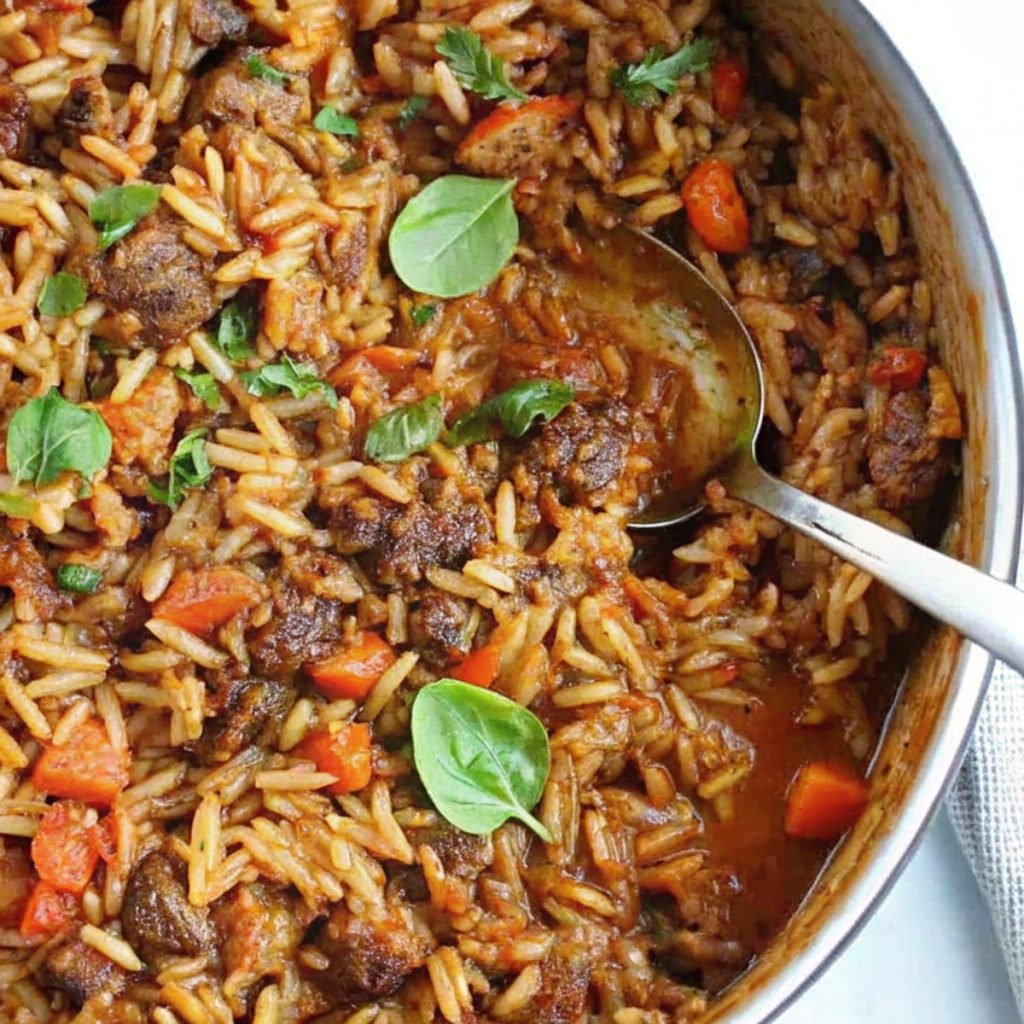
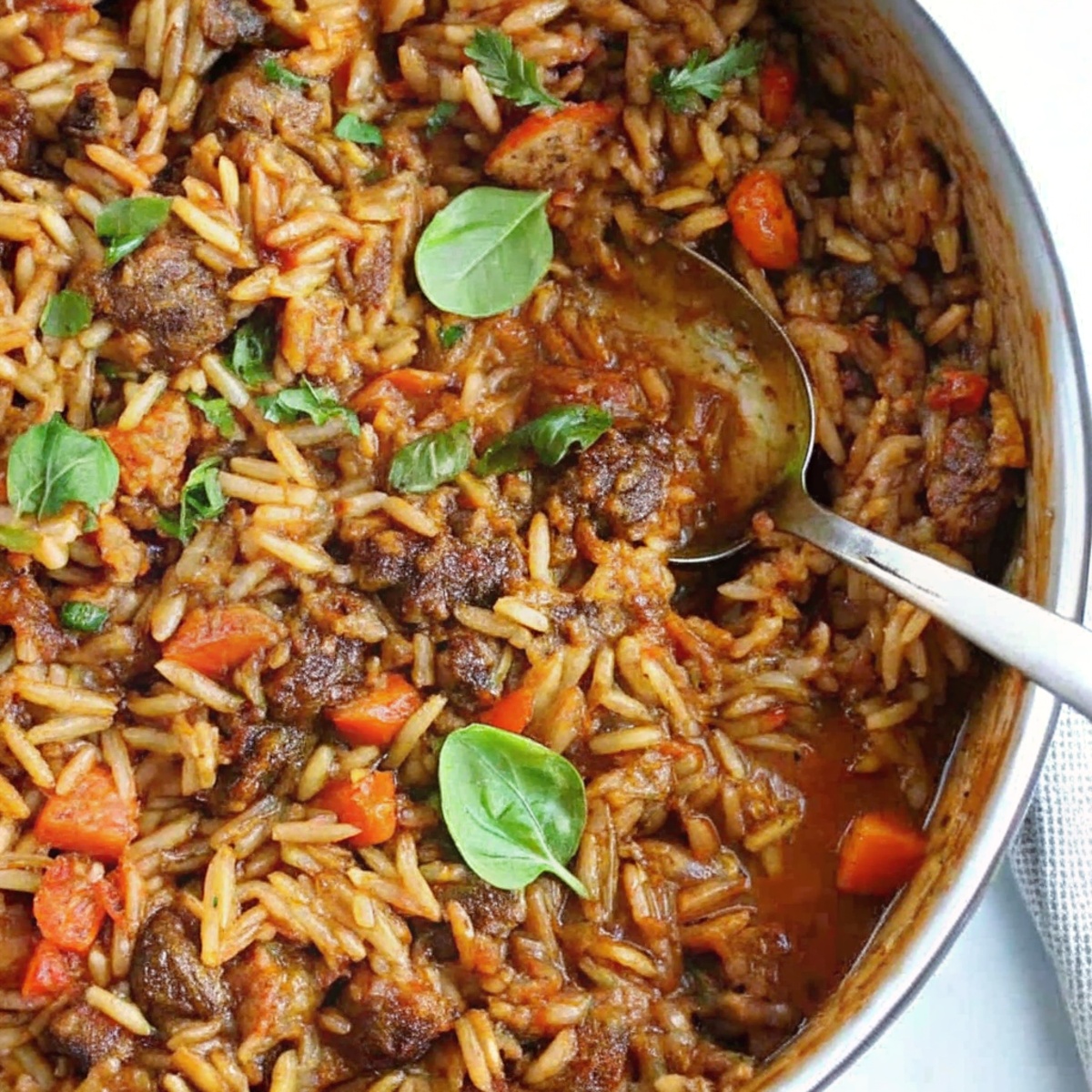
One Pot Orzo Bolognese is all about one simple technique: letting the pasta cook directly in the sauce. No extra pot, no draining, and a lot more flavor. If you’ve ever ended up with either bland pasta or a great sauce that somehow doesn’t cling, this solves both in one go. The starch from the orzo thickens the ragu, and the ragu seasons every grain from the inside out.
This recipe leans on basic, affordable ingredients: beef mince, carrots, celery, onion, garlic, tomatoes, and stock. Nothing fancy, but the method brings it all together. The key is building a proper base before the orzo goes in. That means taking time to brown the mince properly and softening the veg until they’re sweet and jammy, not rushed and crunchy. Once you understand that sequence, this becomes a reliable midweek formula, not just a one-off recipe.
I like this for casual entertaining because everything happens in one pan and stays there. You can keep it gently warm on the stove, carry the pot to the table, and let people help themselves. It’s very forgiving too. If your stock is a bit salty, you can dilute. If your orzo is drinking up liquid faster than expected, you just loosen it with hot water. You’re in control the whole time, no stress.
Seasonally, this is ideal for cooler evenings when carrots, celery, and good onions are everywhere and cheap. Use the best local beef mince you can find and a decent stock cube or homemade stock. The better your base, the better the final bowl. Once you’ve tried cooking orzo directly in the sauce like this, you can apply the same method to whatever’s in season next: spring veg, summer tomatoes, or leftover roast meats.
Quick Guide to One Pot Orzo Bolognese
Click here to get printable version
Your Ingredient Checklist
- 1 tbsp olive oil
- 500 g beef mince
- 4 cloves garlic, peeled and crushed
- 1 onion, peeled and finely chopped
- 3 carrots, peeled and chopped into very small pieces
- 3 celery sticks, cut into very small pieces
- 400 g tinned chopped tomatoes (1 can)
- 3 tbsp tomato purée
- 3 tsp dried oregano
- 750 ml hot beef stock (a cube is fine)
- 250 g orzo
- 2 tbsp balsamic vinegar
- 75 g Parmesan cheese, grated
- Sea salt and freshly ground black pepper, to taste
What to Do
- Set a large sauté pan or wide, deep saucepan over high heat. Add the olive oil and beef mince. Cook for 5–10 minutes, breaking the mince up with a wooden spoon as it browns. You want it well-colored with very little pink left; this is where a lot of flavor starts.
- Turn the heat down slightly and add the crushed garlic, chopped onion, carrots, and celery. Stir well and cook for about 5 minutes. The vegetables should start to soften and smell sweet; scrape the bottom of the pan to lift any browned bits into the mix.
- Pour in the chopped tomatoes, then add the tomato purée, dried oregano, and hot beef stock. Stir until everything is combined. Bring the mixture up to a gentle boil, then reduce the heat to medium, cover with a lid, and cook for 15 minutes. The vegetables should be soft and the sauce thicker by the end of this stage.
- Stir in the orzo, making sure it’s evenly distributed and fully submerged in the sauce. Put the lid back on and cook for 10–15 minutes over medium-low heat, stirring every few minutes. The orzo should become tender but still have a slight bite. If the mixture looks too dry before the orzo is cooked, add a splash of hot water or stock and stir again.
- Once the orzo is cooked to your liking and the sauce is rich and slightly thick, turn off the heat. Drizzle over the balsamic vinegar and stir it through, then taste and adjust with sea salt and black pepper.
- Sprinkle the grated Parmesan over the top or stir it in for a creamier finish. Serve straight from the pan while hot, with extra Parmesan and black pepper at the table if you like.
Nailing That Rich One-Pot Bolognese Flavor
The base of this One Pot Orzo Bolognese lives or dies on how well you brown the mince and cook the vegetables. Don’t rush the first 10–15 minutes. Let the beef pick up real color; grey mince means weak flavor. When the veg goes in, keep the heat medium-high and stir regularly so they soften and pick up the meaty fond rather than steam. Use a hot, wide pan so moisture evaporates quickly instead of pooling. Good dried oregano and a punchy tomato purée also matter here; cook the purée out in the sauce so it tastes deep and sweet, not sharp. With proper browning and a short, covered simmer, you’ll get a ragu that tastes like it took hours, not under an hour.
Getting Orzo Perfectly Al Dente in Sauce
Cooking orzo directly in the sauce is efficient, but it’s slightly less forgiving than boiling in a big pot of water. The key is regular stirring and watching the texture from the 8-minute mark. Orzo cooks quickly, and because it’s small, it can sink and stick if you ignore it. Keep the heat at a steady medium-low so the sauce gently bubbles, not vigorously boils. You want the orzo to be soft around the edges but still have a tiny bit of bite in the center. Turn off the heat when it’s just shy of perfect; it will continue to cook in the residual heat and thicken the sauce as it sits. If you like it looser, stir in a splash of hot water right before serving.
Smart Swaps for Mince, Stock, and Cheese
This recipe is easy to adapt to what’s seasonal and what’s in your fridge. For the mince, you can swap beef for pork, turkey, chicken, or even a plant-based mince. Just remember that leaner meats need a bit more oil and careful seasoning. For stock, vegetable stock works well if you’re keeping it lighter, and a homemade stock will always give you deeper flavor. Use what you have, but taste and adjust salt at the end. Parmesan is classic, but any hard, salty cheese like Grana Padano or a good local hard cheese will do the job. For a vegetarian version, go for a rennet-free or plant-based hard cheese alternative and use veg stock.
Fixing Soupy, Soggy, or Dry Orzo Bolognese
Most one-pot pasta issues fall into three camps, and all are easy to fix. If it’s too soupy, just keep the lid off and simmer for a few extra minutes, stirring so the bottom doesn’t catch; the orzo will keep absorbing liquid. If it’s soggy, you probably cooked it a bit too long or left it covered after turning off the heat. Next time, check the orzo earlier and stop cooking when it’s just al dente. If it’s too dry before the orzo is cooked, don’t panic—add hot water or stock in small splashes, stir, and let it absorb. Aim for a risotto-like consistency: loose but not watery.
What to Serve with Orzo Bolognese Tonight
Because this One Pot Orzo Bolognese is rich and filling, you don’t need a heavy side. Pair it with a simple seasonal salad: peppery leaves, shaved carrots, and a quick olive oil–vinegar dressing work well. In cooler months, warm crusty bread or toasted sourdough is perfect for mopping up the sauce. For entertaining, I like to finish with a plate of sliced seasonal fruit or a simple citrus dessert to keep things fresh. Serve the orzo straight from the pot in the center of the table with a block of Parmesan and a grater, a bowl of black pepper, and maybe some chopped fresh herbs so people can finish their bowls the way they like.
FAQ: All You Need to Know
Can I make One Pot Orzo Bolognese ahead of time for guests?
Yes, but there’s a trick to keeping the texture right. Cook the ragu fully, then add the orzo and cook it only until it’s slightly under al dente. Take it off the heat, cool it quickly, and store it covered in the fridge for up to a day. When you’re ready to serve, reheat gently on the stove with a splash of water or stock, stirring often, until the orzo finishes cooking and loosens back up. Add the balsamic and Parmesan right before serving.
How do I scale this recipe up for a crowd without overcooking the orzo?
To feed more people, you can double the ingredients, but use a very wide, heavy pan or two pans instead of one overcrowded pot. The more packed the pan, the harder it is to stir and the more unevenly the orzo cooks. Start checking the orzo a few minutes earlier than the recipe time, stirring well from the bottom. If needed, add liquid in small amounts so you don’t accidentally make it soupy. Serve as soon as the orzo hits al dente and keep extra grated cheese on the side.
What’s the best way to store and reheat leftovers without them turning mushy?
Leftover One Pot Orzo Bolognese will thicken a lot as it sits because the orzo keeps absorbing liquid. Cool it quickly and store it in an airtight container in the fridge for up to 3 days. For reheating, add a good splash of water or stock to a pan, stir in the leftovers, and warm over medium-low heat, stirring often. Stop reheating as soon as it’s steaming hot; overcooking at this stage is what turns it mushy. Finish with extra Parmesan and a little balsamic if needed.
Can I make this dish gluten-free or dairy-free?
To make it gluten-free, simply swap the regular orzo for a gluten-free pasta shape of similar size and adjust the cooking time, as gluten-free pasta can cook and soften faster. Also make sure your stock and balsamic vinegar are certified gluten-free. For dairy-free, skip the Parmesan or replace it with a dairy-free hard cheese alternative or a sprinkle of nutritional yeast for savory depth. Everything else in the base recipe is naturally dairy-free if you don’t add the cheese at the end.
Why is my sauce tasting flat even though I followed the recipe?
A flat-tasting sauce usually comes down to three things: not enough browning, under-seasoning, or missing acidity. Next time, make sure you brown the mince deeply before adding vegetables, and give the tomato purée time to cook out. At the end, taste and adjust salt and pepper, then pay attention to the balsamic vinegar—it’s not just for sweetness but for balancing the richness. If it still feels dull, add a small extra splash of vinegar or a squeeze of lemon to wake everything up.
Can I add extra vegetables without throwing off the texture?
You can absolutely bulk this out with more veg, but a bit of planning helps. Stick to vegetables that cook in a similar time frame or can handle the simmer, like finely chopped mushrooms, courgette, or peppers. Sauté any extra veg with the carrots and celery so they have time to soften and lose excess moisture. If you add a lot more volume, you may need a little extra stock. Keep an eye on the consistency as it cooks, and adjust with small amounts of liquid so the orzo still cooks evenly in a thick, flavorful sauce.
One Pot Orzo Bolognese
Equipment
- large sauté pan or deep skillet with lid
Ingredients
- 1 tbsp olive oil
- 500 g beef mince
- 4 cloves garlic peeled and crushed
- 1 medium onion peeled and finely chopped
- 3 carrots peeled and chopped into very small pieces
- 3 sticks celery cut into very small pieces
- 400 g tinned chopped tomatoes 1 can
- 3 tbsp tomato purée
- 3 tsp dried oregano
- 750 ml hot beef stock cube is fine
- 250 g orzo
- 2 tbsp balsamic vinegar
- 75 g Parmesan cheese grated
- sea salt to taste
- freshly ground black pepper to taste
Instructions
- Warm the oil in a large sauté pan over high heat. Add the beef mince and cook, breaking it up with a wooden spoon, until it is deeply browned, about 5–10 minutes.
- Stir in the crushed garlic, chopped onion, carrots and celery. Continue cooking for about 5 minutes, until the vegetables begin to soften.
- Pour in the chopped tomatoes, add the tomato purée, dried oregano and hot beef stock. Reduce the heat to medium, cover the pan and simmer for 15 minutes, allowing the sauce to thicken and the vegetables to become tender.
- Stir the orzo into the sauce, replace the lid and cook for 10–15 minutes more, stirring now and then, until the orzo is tender. If the mixture looks too dry before the pasta is done, add a splash of water and continue cooking.
- Take the pan off the heat, drizzle with the balsamic vinegar, scatter over the grated Parmesan and season with salt and freshly ground black pepper to taste. Serve immediately.