Share with your friends!
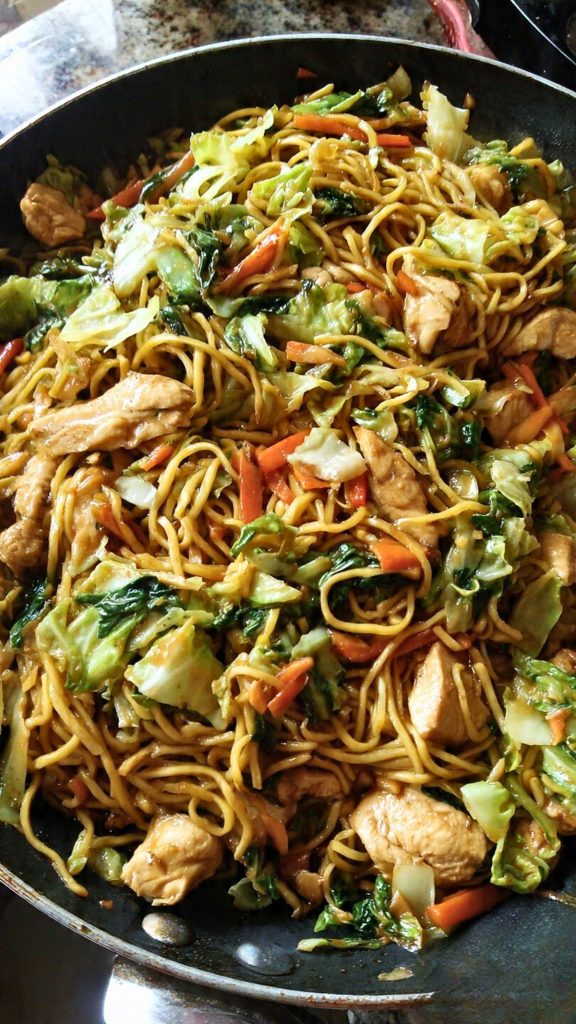
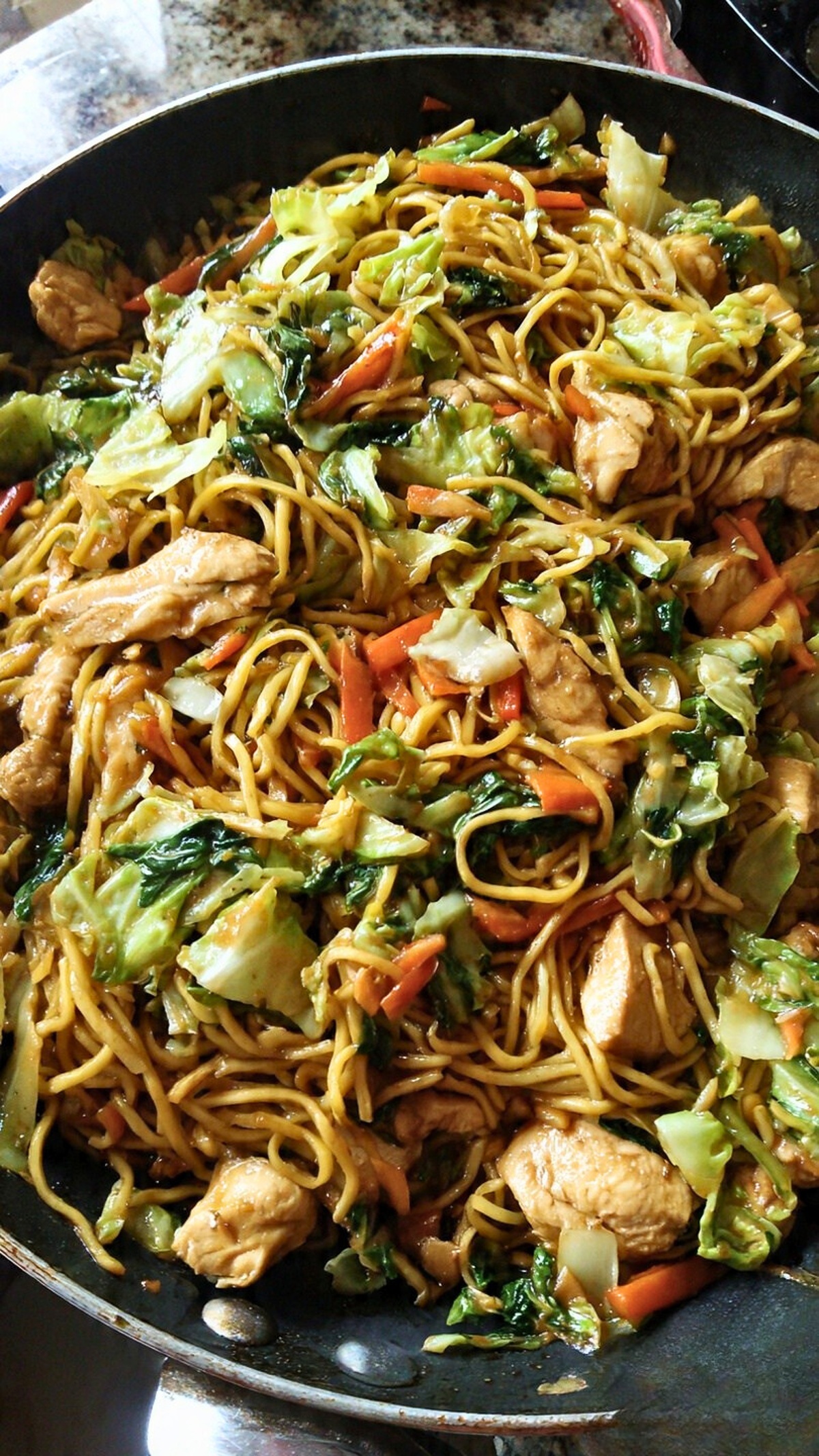
Chicken chow mein is one of those meals I rely on when I want real flavor fast, but the true star here isn’t the sauce or even the chicken—it’s the noodles. When you treat the noodles right, they soak up that savory soy and oyster sauce and give you those chewy, slightly toasty bites that make takeout so addictive.
I like this version because it’s a full, balanced dinner in one pan: lean chicken, a pile of crisp-tender cabbage, carrots, and celery, and just enough sauce to coat everything without turning it soupy. It’s the kind of recipe that works with whatever fresh veg you’ve picked up at the market that week. If you’re trying to cook more at home, this chicken chow mein is a solid, weeknight-friendly way to scratch that noodle craving with simple, seasonal ingredients.
A Taste of Inspiration: How to Make Chicken Chow Mein
Click here to get printable version
Inside This Recipe
- 12 oz chow mein stir-fry noodles
- 2 tablespoons soy sauce
- 2 tablespoons oyster sauce
- 1 tablespoon sesame oil
- 1/2 cup water
- 1 pound chicken tenderloins or chicken breasts, thinly sliced into bite-sized pieces
- 2 teaspoons cornstarch
- 1/8 teaspoon salt
- 1 1/2 tablespoons vegetable oil (for chicken)
- 1/4 cup vegetable oil (for stir-frying veg and noodles)
- 3 cups (8 oz) thinly sliced green cabbage (from about 1 small cabbage)
- 2 stalks celery, very thinly sliced
- 2 cups shredded carrots
- 6 scallions, dark and light green parts, cut into 1-inch (2.5-cm) pieces
- 2 cloves garlic, minced
The Method: A Step-by-Step Guide
- Cook the noodles just shy of done. Bring a large pot of water to a boil. Add the chow mein noodles and cook until very al dente. Use the package time as a guide and cook them about 30 seconds less than directed (for example, if it says 3 minutes, cook about 2 1/2 minutes). Drain and rinse under cold water to fully stop the cooking. This keeps them from turning soft and mushy when you stir-fry.
- Whisk the sauce until completely smooth. In a medium bowl, combine the soy sauce, oyster sauce, sesame oil, and water. Whisk until the liquids look uniform and there are no streaks of thicker oyster sauce. This helps the flavor distribute evenly over the noodles later.
- Marinate and coat the chicken. In another medium bowl, mix the sliced chicken with 1 1/2 tablespoons of the prepared sauce, the cornstarch, and the salt. Stir until every piece is lightly coated. The mixture should cling to the chicken without pooling at the bottom. The cornstarch helps the chicken stay tender and gives it a light gloss when cooked.
- Stir-fry the chicken quickly. Heat 1 1/2 tablespoons vegetable oil in a 12-inch (30-cm) nonstick skillet over medium-high heat until the oil looks shiny and flows easily, but isn’t smoking. Add the chicken in an even layer and cook, stirring frequently, until just cooked through, about 3 minutes. The pieces should turn opaque with light golden spots. Don’t overcook; they’ll finish in the pan later. Transfer the chicken to a plate and keep nearby.
- Cook the vegetables until lightly browned. Add the remaining 1/4 cup vegetable oil to the same skillet. Once hot, add the cabbage, celery, carrots, scallions, and minced garlic. Stir frequently, scraping up any browned bits from the pan. Cook for about 8 minutes, until the vegetables are softened and starting to brown in spots. You want them crisp-tender, not limp; they should still have a bit of bite.
- Combine noodles, chicken, and sauce. Add the cooled, drained noodles to the skillet with the vegetables. Use tongs to gently separate any clumps. Return the chicken and pour in the remaining sauce. Stir-fry for about 1 minute, tossing constantly, until everything is evenly coated and the noodles have absorbed most of the sauce. The noodles should look glossy, not wet or soupy.
- Taste and adjust, then serve. Turn off the heat and taste a noodle. If needed, adjust the seasoning with a bit more soy sauce or a pinch of salt. Serve right away while everything is hot and the vegetables are still crisp-tender.
Choosing the Right Noodles
Chow mein works best with noodles that can handle high heat without falling apart. Look for fresh or dried chow mein or thin egg noodles labeled for stir-fry; they’re designed to stay chewy and take on sauce quickly. If your local shop doesn’t carry chow mein noodles, thin wheat noodles or even fresh refrigerated ramen can work. Just avoid very soft or thick pasta-style noodles—those tend to break and go soggy. Whatever you choose, the key is to undercook by a small margin and rinse with cold water so they stay firm when they hit the hot pan.
Quick Veggie Swap Ideas
This chicken chow mein is a great way to use what’s fresh and local. In cooler months, swap in thinly sliced napa cabbage, shredded Brussels sprouts, or julienned kale for part of the green cabbage. In warmer months, try bell peppers, snap peas, or baby bok choy. Just keep the total amount of vegetables roughly the same so the pan doesn’t get overcrowded. Heavier veg like broccoli stems or thicker carrots should be sliced extra thin so they soften in time. Lighter veg like spinach can be added in the last minute so they just wilt without disappearing.
Make-Ahead and Reheating Tips
For busy nights, you can prep most of this chow mein in advance. Slice the chicken, shred the cabbage and carrots, and slice the celery and scallions up to a day ahead; store them separately in airtight containers. You can also mix the sauce and refrigerate it so it’s ready to pour straight into the pan. For full make-ahead, cook the recipe, cool it quickly, and refrigerate. To reheat, use a hot nonstick skillet over medium-high heat with a teaspoon or two of oil, tossing until warmed through. If the noodles look a bit dry, splash in a spoonful of water or a little extra soy sauce while reheating to loosen them up.
Before You Try It: FAQs
Why do I need to rinse the noodles with cold water after boiling?
Rinsing with cold water does two important things: it stops the cooking instantly and it washes off excess surface starch. If you skip this, the noodles keep cooking from their own heat and can easily turn soft before they ever hit the pan. Extra starch also makes them stick together and clump when you stir-fry. Cooling them helps each strand stay separate so they can sear slightly, soak up the sauce evenly, and keep a nice chewy texture instead of turning gummy.
Can I reduce the oil without ruining the texture?
You can cut the oil slightly, but it’s helpful to understand why it’s there. The oil helps transfer high heat quickly, which gives you that light char on the vegetables and keeps the noodles from sticking and tearing. If you want to reduce it, use a good nonstick pan and drop the oil by a tablespoon or two, but avoid going too low or the noodles will dry out and the vegetables may steam instead of sauté. You can also add a small splash of water near the end if things look too dry.
How do I keep the chicken tender instead of dry and chewy?
The combination of thin slicing, cornstarch, and quick cooking is what keeps the chicken tender here. Thin slices cook fast, so they don’t need long in the pan. The cornstarch forms a very light coating that protects the meat and helps it stay juicy. It’s also important not to overcrowd the pan; if the chicken steams instead of sears, it can turn tough. Cook just until the pieces are opaque with light golden spots, then pull them out—they’ll warm back through when you finish the stir-fry.
Chicken Chow Mein
Equipment
- 12-inch nonstick skillet
- large pot
- Medium bowl
Ingredients
- 12 oz chow mein stir-fry noodles see note
- 2 tablespoons soy sauce
- 2 tablespoons oyster sauce
- 1 tablespoon sesame oil
- 1/2 cup water
- 1 pound chicken tenderloins or chicken breasts thinly sliced into bite-sized pieces
- 2 teaspoons cornstarch
- 1/8 teaspoon salt
- 1 1/2 tablespoons vegetable oil divided
- 1/4 cup vegetable oil divided
- 3 cups thinly sliced green cabbage from 1 small cabbage; about 8 oz
- 2 stalks celery very thinly sliced
- 2 cups shredded carrots
- 6 scallions dark and light green parts cut into 1-inch (2.5 cm) pieces
- 2 cloves garlic minced
Instructions
- Bring a large pot of water to a rolling boil. Add the chow mein noodles and cook until very al dente—slightly under the package time (about 2½ to 3 minutes for many brands). Drain and rinse under cold water to stop the cooking, then set aside.
- In a medium bowl, whisk together the soy sauce, oyster sauce, sesame oil, and water until smooth and combined.
- Place the sliced chicken in a bowl and toss with 1½ tablespoons of the prepared sauce, the cornstarch, and salt so the pieces are evenly coated.
- Heat 1½ tablespoons of vegetable oil in a 12-inch nonstick skillet over medium-high heat until shimmering. Add the chicken and cook, stirring often, until just cooked through, about 3 minutes. Transfer the chicken to a plate.
- Add the remaining 1/4 cup vegetable oil to the skillet. Add the cabbage, celery, carrots, scallions, and garlic, stirring frequently until the vegetables soften and begin to brown, about 8 minutes.
- Return the cooked chicken and noodles to the skillet, pour in the remaining sauce, and toss or stir-fry for about 1 minute until everything is well combined and the noodles have absorbed the sauce. Taste and adjust seasoning if needed, then serve immediately.