Share with your friends!
When I say this is my Best Grilled Chicken Marinade, I mean it’s the one I actually rely on when people are coming over and I don’t want to fuss. The ingredients are basic—olive oil, soy sauce, lemon, mustard—but once they’ve had some time with the chicken, you get juicy pieces with deep color and real flavor all the way through, not just on the surface.
What I like about this marinade is how quickly it comes together. Everything goes into one bowl, you whisk, and it’s ready. While it chills with the chicken, you can prep sides, clean up, or just get the grill going. The kitchen starts to pick up that mix of garlic, soy, and lemon, and you can tell something good is happening long before it hits the grates.
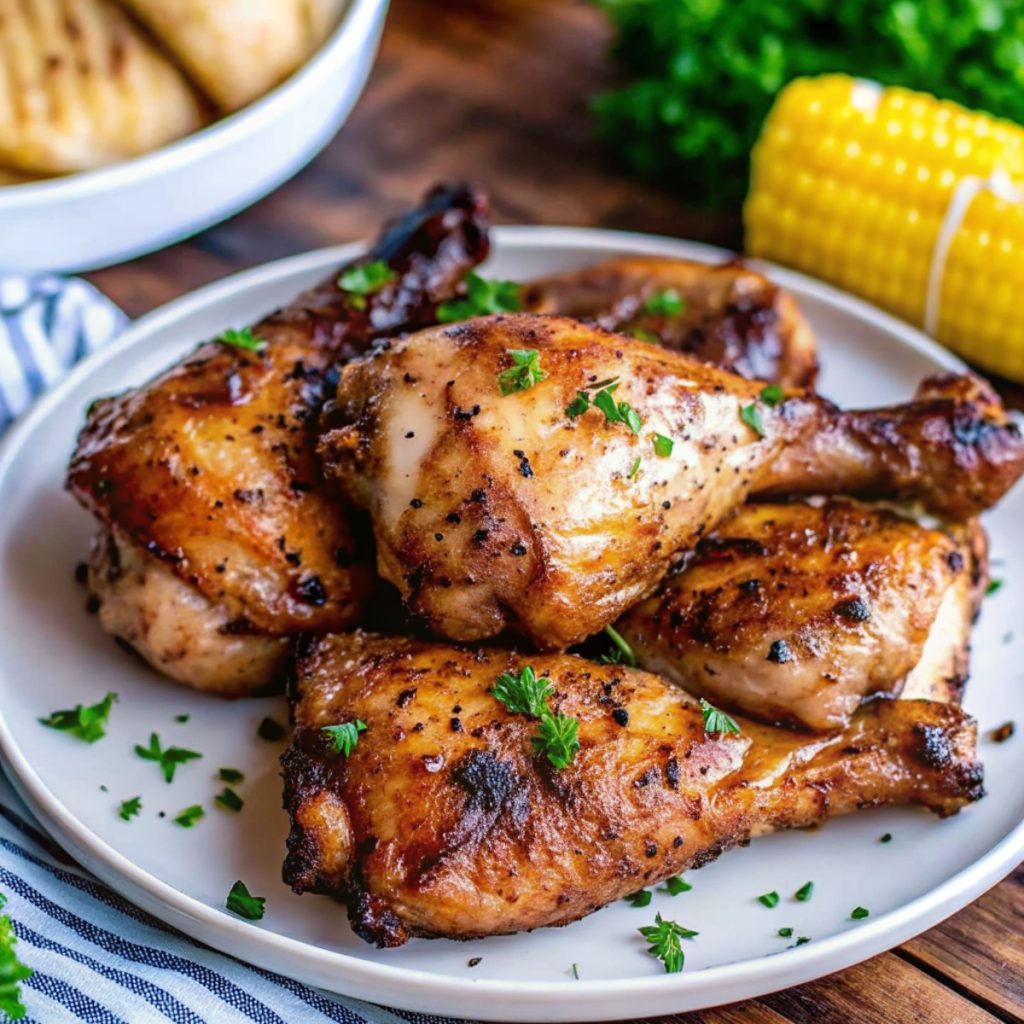
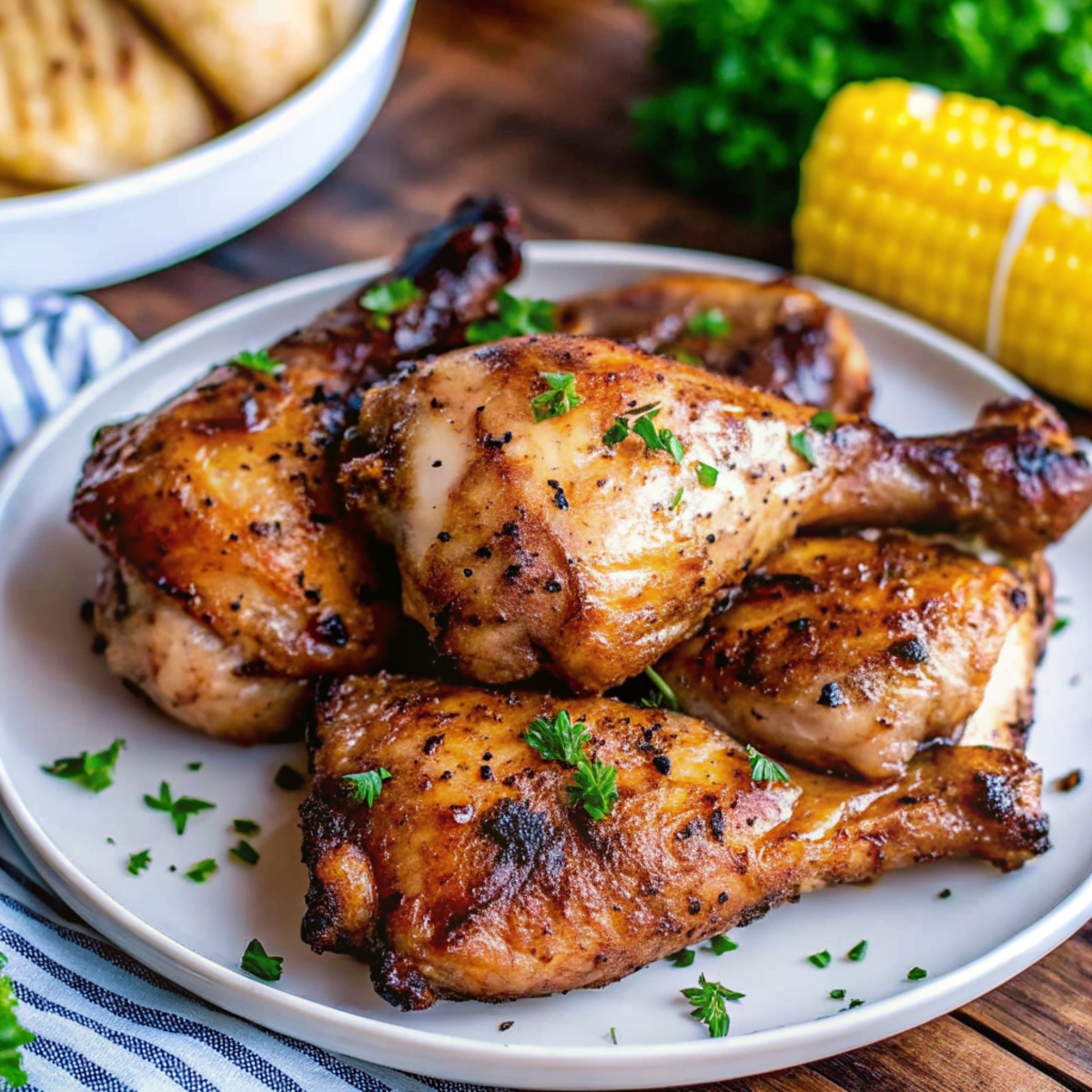
This recipe fits well into weeknights and into bigger gatherings. For a casual cookout, I’ll grab a mix of chicken thighs, drumsticks, and breasts so there’s something for everyone. The marinade clings nicely, so when the chicken hits the grill, you get that satisfying sizzle and the surface starts to caramelize instead of drying out. The color turns a deep, glossy brown with little charred edges that make the platter look impressive without any extra garnish.
If you’re the kind of person who likes to prep ahead for guests, this marinade works in your favor. You can get the chicken into the bags in the morning, tuck it in the fridge, and it’s ready when the grill is hot. It’s also flexible—handle the heat level with the chili garlic sauce, keep it mild for a mixed crowd, or dial it up for spice lovers. Once you see how reliably tender and flavorful this comes out, it’s an easy go-to whenever you want grilled chicken that tastes like you put in more effort than you actually did.
Simple Steps to Best Grilled Chicken Marinade
Click here to get printable version
Ingredients
- 2/3 cup olive oil
- 2/3 cup less sodium soy sauce
- Juice of 1 lemon
- 1 tablespoon brown sugar
- 2 tablespoons spicy brown mustard
- 1 teaspoon freshly ground black pepper
- 1 teaspoon garlic powder
- 1/2 teaspoon liquid smoke flavoring
- 1 teaspoon chili garlic sauce (optional)
- 2 to 3 pounds assorted chicken pieces
Your Step Guide
- Add the olive oil, soy sauce, lemon juice, brown sugar, spicy brown mustard, black pepper, garlic powder, liquid smoke, and chili garlic sauce (if using) to a small mixing bowl. Whisk steadily until the mixture looks smooth and unified with no visible streaks of mustard or clumps of sugar. Stop whisking once everything looks evenly blended and slightly thickened.
- Place the chicken pieces into a gallon-size resealable plastic bag. If you’re using more than about 2 pounds or large pieces, divide them between two bags so they sit in a single layer. Pour the marinade into the bag(s), press out excess air, then seal tightly. Gently turn and massage the bag until every piece of chicken is coated. There shouldn’t be any dry spots on the chicken.
- Lay the sealed bag flat in the refrigerator and marinate for at least 1 hour, and up to 8 hours. Turn the bag once or twice during this time to redistribute the marinade. For best flavor and tenderness, aim for at least 2–4 hours, but avoid going overnight so the texture doesn’t become mushy.
- When you’re ready to cook, preheat your grill to medium-high heat. Clean and oil the grates so the chicken doesn’t stick. Remove the chicken from the marinade, letting the excess drip off back into the bag, and discard the used marinade.
- Place the chicken over direct medium-high heat to sear. Grill a few minutes per side until you see good color and clear grill marks starting to form. Don’t move the chicken too early or you’ll tear the surface and lose that crust.
- Shift the chicken to a cooler part of the grill (indirect heat) to finish cooking gently. Close the lid and cook, turning occasionally, until the internal temperature in the thickest part of each piece reaches 165°F and the juices run clear. Use an instant-read thermometer for accuracy. Rest the chicken for 5–10 minutes off the grill before serving so the juices redistribute.
Nailing That Bold, Smoky Marinade Flavor
This marinade gets its backbone from soy sauce, lemon, and olive oil, with layers from mustard, garlic, and liquid smoke. To get strong flavor, focus on balance. Taste the marinade before it touches raw chicken—you should notice saltiness from soy, tang from the lemon, mild sweetness, and a gentle heat if you added chili garlic sauce. If it tastes flat, add a pinch more salt or a squeeze of lemon. If it’s too sharp, another teaspoon of olive oil or a bit more brown sugar will round it out. Don’t overdo the liquid smoke; a little goes a long way and should sit in the background, not dominate. Proper marinating time is also key—under an hour won’t give you that full flavor, while 2–4 hours is usually the sweet spot for bold, even seasoning.
Getting Perfect Grill Marks Without Drying Out
Good grill marks come from heat, clean grates, and patience. Start with medium-high heat and well-oiled grates so the chicken can sear instead of stick. Place the chicken down and leave it alone for a few minutes until it releases easily—forcing it will tear the surface. For crosshatch marks, rotate each piece about 90 degrees halfway through searing on each side. Once you’ve built color, move the chicken to indirect heat to finish cooking more gently. This prevents the outside from burning while the inside comes up to 165°F. Using a thermometer instead of guessing keeps you from overcooking, and resting the chicken afterward helps keep it juicy instead of letting the moisture run out on the cutting board.
Swaps for Soy, Mustard, and Heat Levels
This marinade is flexible if you need to adjust for preferences or dietary needs. For soy-free, use coconut aminos or a gluten-free tamari if you just need to avoid gluten. Keep in mind coconut aminos are less salty and sweeter, so reduce the brown sugar slightly and add a pinch of salt to balance. If you don’t have spicy brown mustard, Dijon will work; yellow mustard is a last resort but still usable, just a bit sharper and less complex. For the heat, chili garlic sauce can be swapped with sriracha, crushed red pepper flakes, or a mild hot sauce. Start small, especially for a mixed crowd, and serve extra heat on the side. If you want zero spice, simply leave it out; the marinade will still be flavorful and well-rounded.
What to Serve With This Backyard Favorite
This grilled chicken pairs well with straightforward sides that don’t fight the bold marinade. Think grilled vegetables, corn on the cob, simple green salads, or a grain-based side like brown rice or quinoa to soak up the juices. For gatherings, I like to set up a small spread: a big salad bowl, a tray of grilled vegetables, and maybe a potato salad or pasta salad. Slice some of the chicken off the bone and arrange it on a platter along with whole pieces so guests can choose. Add lemon wedges, a small bowl of chili sauce, and maybe a creamy dip like ranch or yogurt sauce to offer contrast. This keeps the meal easy to serve buffet-style while still looking organized and intentional.
Flavor-Packed Ways to Use Leftover Marinade
For food safety, don’t reuse marinade that’s been in contact with raw chicken as-is. Instead, if you know you’ll want extra for later, set aside a separate portion of the marinade before it touches the raw meat. You can use this clean portion as a finishing drizzle, a base for a quick pan sauce, or to toss with grilled vegetables. Whisk a spoonful or two into plain yogurt or mayonnaise for a fast dipping sauce. You can also use a reserved portion to marinate tofu, mushrooms, or other vegetables to grill alongside the chicken. If you’ve already mixed it with raw chicken and want to salvage it, boil it for several minutes until it reduces and thickens slightly, then cool it before using as a basting sauce—just keep in mind the flavor will be more concentrated and salty.
What People Usually Ask
Can I bake the marinated chicken instead of grilling it?
Yes, this marinade works well for baking too. Arrange the marinated chicken pieces on a parchment-lined or lightly oiled baking sheet, shaking off excess marinade so they don’t steam. Bake at 400°F until the internal temperature reaches 165°F, usually 25–40 minutes depending on the cut and size. For color, finish under the broiler for a few minutes, watching closely so the sugar in the marinade doesn’t burn. The flavor will be slightly less smoky than grilling, but still bold and savory.
How far in advance can I prep the marinade and chicken?
You can mix the marinade itself up to 3 days in advance and store it in an airtight container in the refrigerator. The flavors actually blend more evenly as it rests. For the chicken, limit the marinating time to about 8 hours. Beyond that, the acidity from the lemon and the salt from the soy sauce can start to change the texture, especially for boneless, skinless cuts, making them soft or slightly mushy. If you want to prep further ahead, freeze the chicken in the marinade and thaw in the fridge the day before cooking.
What’s the best way to avoid flare-ups on the grill with this marinade?
This marinade contains oil and a bit of sugar, which can trigger flare-ups if it drips directly onto the flames. To control this, let excess marinade drip off before placing the chicken on the grill, and avoid pouring extra marinade over the meat as it cooks. Keep the chicken over direct heat only for the initial sear, then move it to indirect heat where flare-ups are less likely. Keep a cooler zone on the grill ready so you can shift pieces quickly if flames jump up. Closing the lid partially can also help calm flare-ups without completely smothering the fire.
Should I remove the skin from the chicken before marinating?
It depends on your goal. Leaving the skin on helps retain moisture and adds flavor as the fat renders on the grill. The marinade won’t penetrate the skin deeply, but it will season the surface and the meat near it. If you prefer leaner pieces, you can use skinless thighs or breasts instead. Don’t remove the skin after marinating but before grilling, because you’ll lose a lot of the flavor clinging to it. Either choose skin-on pieces from the start or buy skinless cuts if you know you don’t want the skin.
Can I use this marinade for boneless, skinless chicken breasts only?
Yes, it works well on boneless, skinless breasts, but you’ll need to adjust your approach slightly to avoid drying them out. First, try to use evenly sized pieces or gently pound them to an even thickness so they cook at the same rate. Limit marinating to about 2–4 hours so the texture stays firm. On the grill, cook them over medium rather than high heat and pull them off right at 165°F internal temperature. Rest them a few minutes before slicing. The marinade helps keep them flavorful, but careful cooking is what keeps them juicy.
Why is my grilled chicken turning out pale even with this marinade?
If your grilled chicken isn’t getting much color, it’s usually a heat or moisture issue. The grill may not be hot enough, or the grates may not be clean and oiled. Also, if the chicken is very wet with marinade when it goes on, it can steam instead of sear. Pat the surface lightly with paper towels to remove excess liquid before grilling, then sear over medium-high heat without crowding the grates. Give the chicken time to sit undisturbed to build color before flipping. A final quick sear over higher heat can also help deepen the color without overcooking the inside.
Best Grilled Chicken Marinade
Equipment
- mixing bowl
- whisk
- Gallon-sized plastic storage bag
- Grill
- meat thermometer
Ingredients
Marinade:
- 2/3 cup olive oil
- 2/3 cup less sodium soy sauce
- 1 lemon juiced
- 1 tablespoon brown sugar
- 2 tablespoons spicy brown mustard
- 1 teaspoon freshly ground black pepper
- 1 teaspoon garlic powder
- 1/2 teaspoon liquid smoke flavoring
- 1 teaspoon chili garlic sauce optional
Chicken:
- 2 to 3 pounds assorted chicken pieces
Instructions
For the Marinade:
- Combine the olive oil, soy sauce, lemon juice, brown sugar, spicy brown mustard, black pepper, garlic powder, liquid smoke and chili garlic sauce in a mixing bowl; whisk until the mixture is smooth and uniform.
- Place the chicken pieces into a gallon-sized resealable bag (use two bags if needed). Pour the prepared marinade over the chicken, seal the bag, and move it around to coat every piece evenly.
- Refrigerate the bagged chicken for a minimum of 1 hour and up to 8 hours to let the flavors penetrate.
Grilling Instructions:
- Grill the marinated chicken over medium-high heat just until it develops a good sear, then move to indirect heat to finish cooking. Continue until the thickest part registers 165°F on a meat thermometer and the juices run clear.